Rishta: Aunties Know Best

About

Hi, I’m Sana. Yes, Sara is indeed lightly autobiographical. I am a South Asian, Muslim daughter who has been through the arranged dating process.

This project started as a personal perspective of what it means to be both deeply held and deeply misunderstood. Of experiencing the silence of being surrounded by aunties who want what’s best for you, without consulting you on what “best” may mean.

If you’d like to hear about the silence from women in my own community.

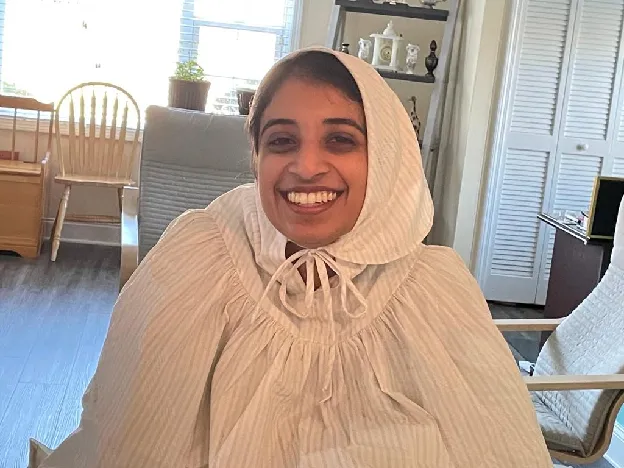
Sana, smiling, in a pale striped headscarf — the photo from her biodata
This is the photo of me that went out to prospective boyz

Watch the thesis talk

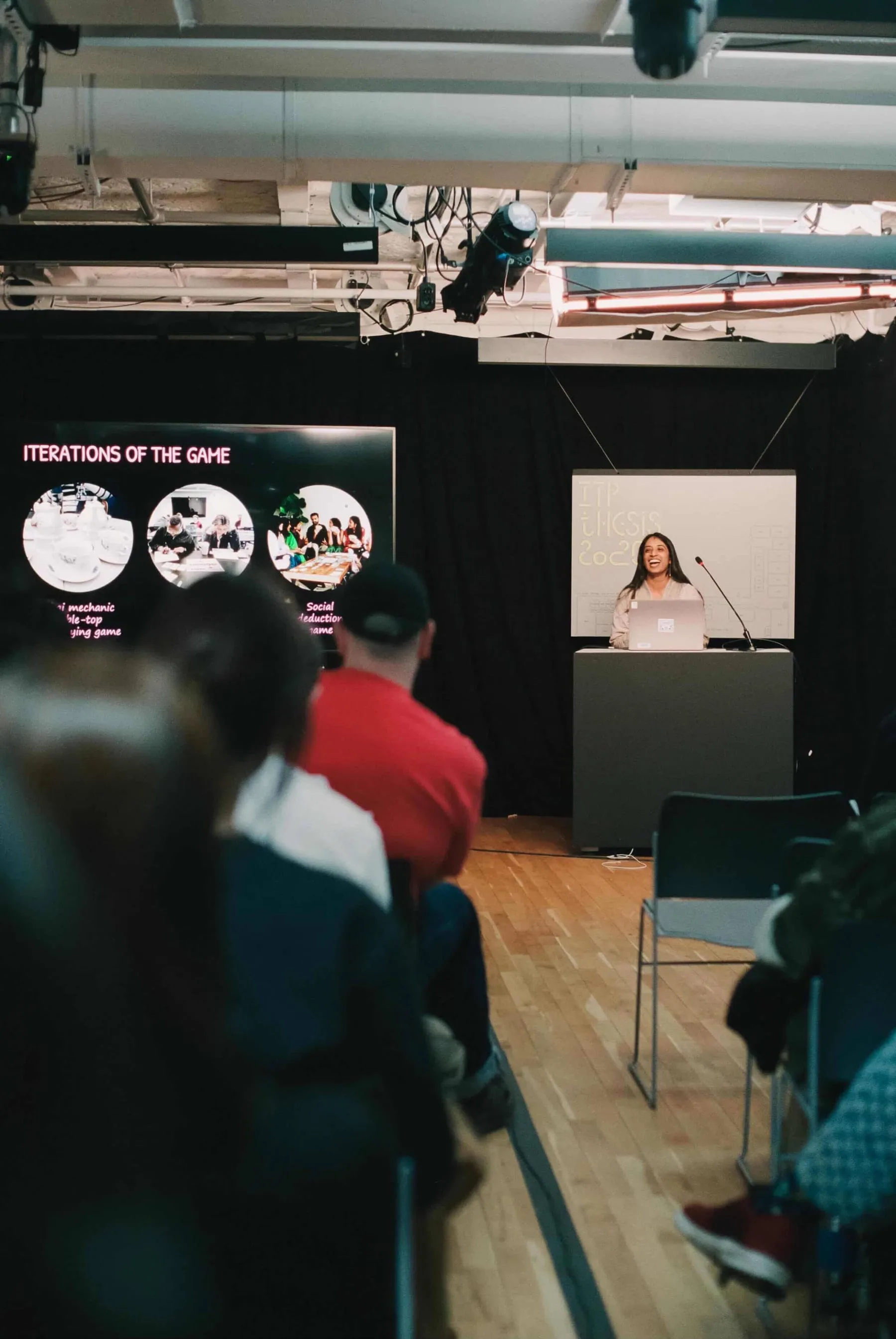
A ten-minute presentation of the research behind the game.

Watch the documentary

A five-minute short documentary about the project.

Different definitions

The game serves as a narrative immersion into that silence. I wanted to make a game that captures this experience; this particular emotional inheritance. As I say, Sara has three priorities for her husband. She thinks the most important thing is finding her perfect match. You are not Sara. No one is Sara. She has no voice in the game, yet she is all everyone talks about through gameplay. The entire mechanic is different definitions of what’s best for her.

The labor

One of my most formative design moments was hosting a game play workshop with Give Her Space, a non-profit for Muslim women in Jersey. They exemplify the daughters, mothers, and aunties I was designing this game for. 12 women showed up, ages 17 to 60.

I originally intended for my narrative card game to lead to systemic behavioral change. I was hoping my community of women would realize the unspoken expectations and previously unknown cultural baggage we carry. And as a result, we’d want to change those patterns. We’d interrogate what is IN our labor and BEHIND our labor.

I felt my own version of what is IN and BEHIND the labor in the creation of this game. I knew who I was designing for, why I was designing for them, and then needed to do it! It required so much design and iteration and playtesting and redesign. Below is the community who supported this labor. It takes a village to raise a child, and a village to raise a brainchild.

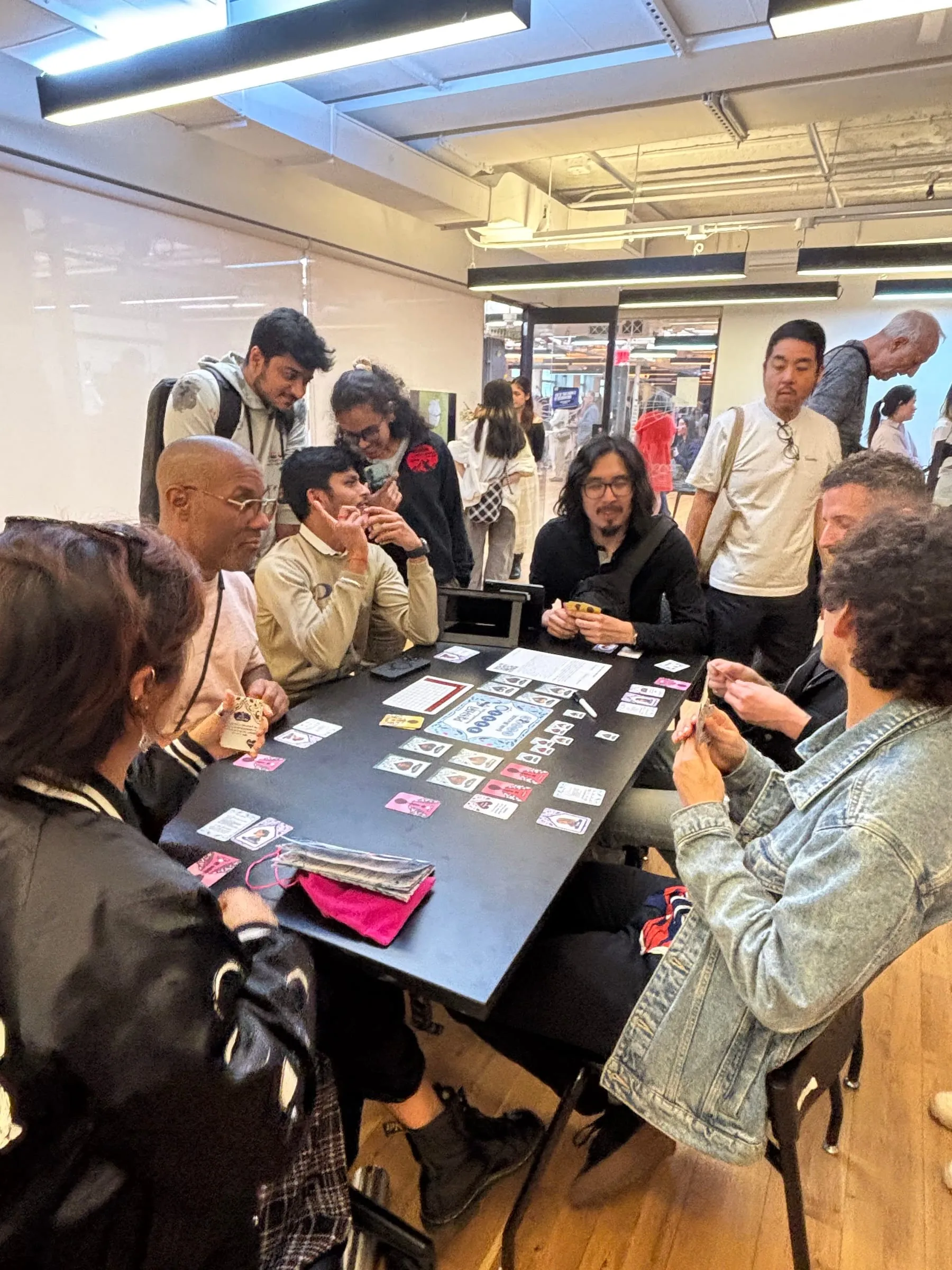
  • 71 playtesters over 18 sessions+27 hours
  • 49 interviews with women in my community+3.5 hours
  • 47 consultations +33 hours

People were becoming Aunties

They supported me in the labor of finding a way to tie that content to game mechanics. Not just the WHY of the game but HOW it’s played. The game went through over ten iterations; first there was an actual making chai mechanic, then it was a logic game, then it was like Mafia with some ‘evil’ and other ‘good’ roles, until it reached its final form. A social deduction card game accessible both to those playing and to those listening in.

And through all of that — something wonderful was happening. There was a sense of stakes, investment. People were becoming Aunties.
Aunties like this

Players were so good at being aunties that I began to worry. People reflected the behavior that they had seen, but didn’t necessarily change that behavior. Instead they were mirroring and mimicking what they’d observed in their own communities.

So, what I was realizing was that the game wasn’t changing lives. I realized it was hubris to even think that playing a game once could undo systemic, intergenerational patterns.

Love and community

But what the game WAS doing was creating a container for solidarity for EVERYONE in my community. My community grew from just South Asian, Muslim women to include people of all ages and religions.

Talking about this topic often feels hard, heavy, distancing, and like a criticism across generations.

This game, like many games, through the safety of fiction, facilitated dialogue, understanding, and community.

And most importantly, joy in play. So much joy.

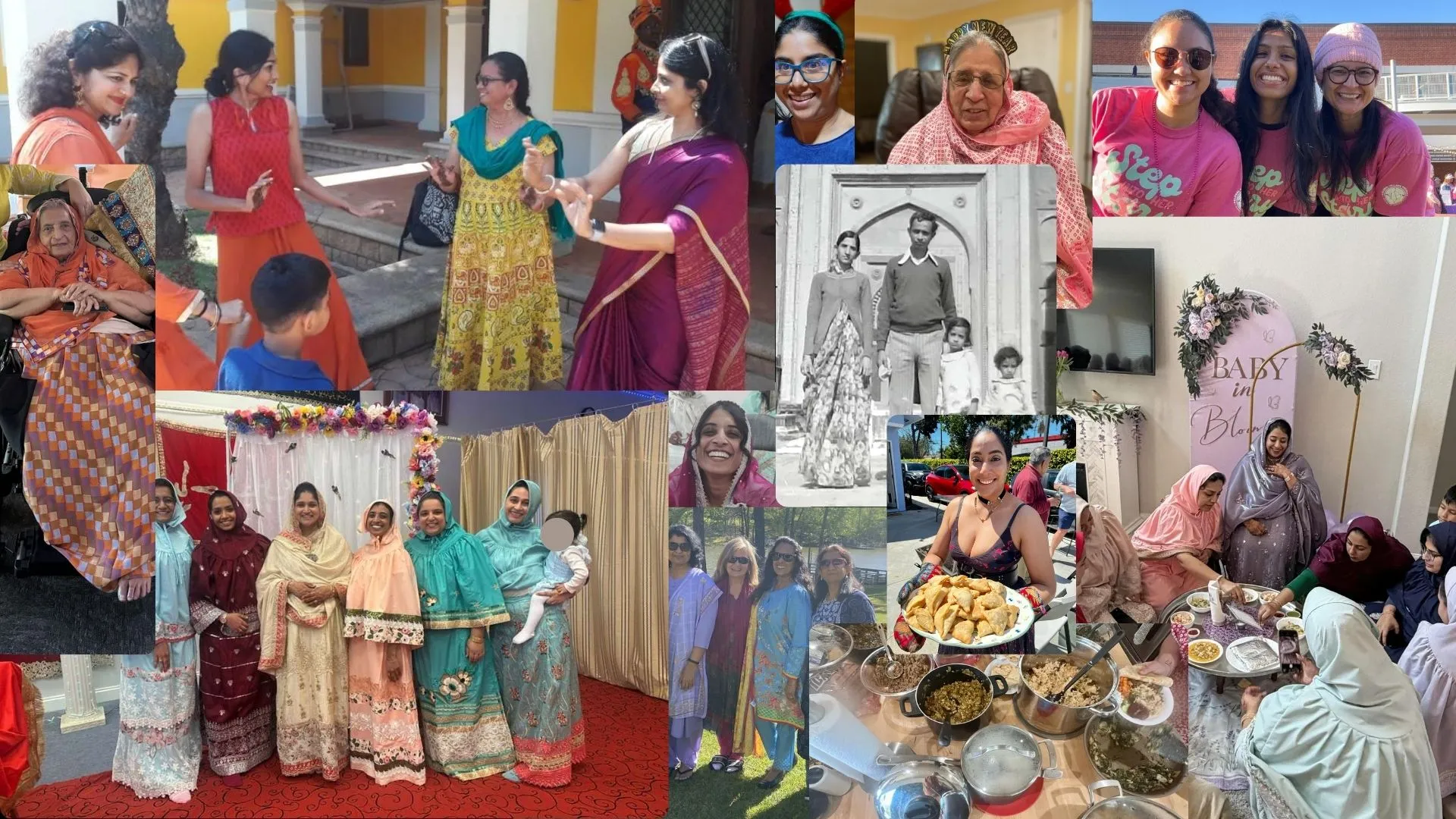
I realized that the labor, for all of its effort and intensity, was itself a joy. And just as the game revealed the familial dynamics we observe, it also showed the joy we observe. There was already so much joy and play in my community. Us women, my women — we play in how we dress, how we show up for each other, in how we dance and make chai, raise children, and of course gossip together.

A collage of photographs of the women in Sana’s community — weddings, kitchens, dancing, chai, generations together

I’m still not convinced about all aunties, but I truly feel that the aunties that have come into my life are the best. Thank you for helping grow my auntie family. And for believing in Rishta.

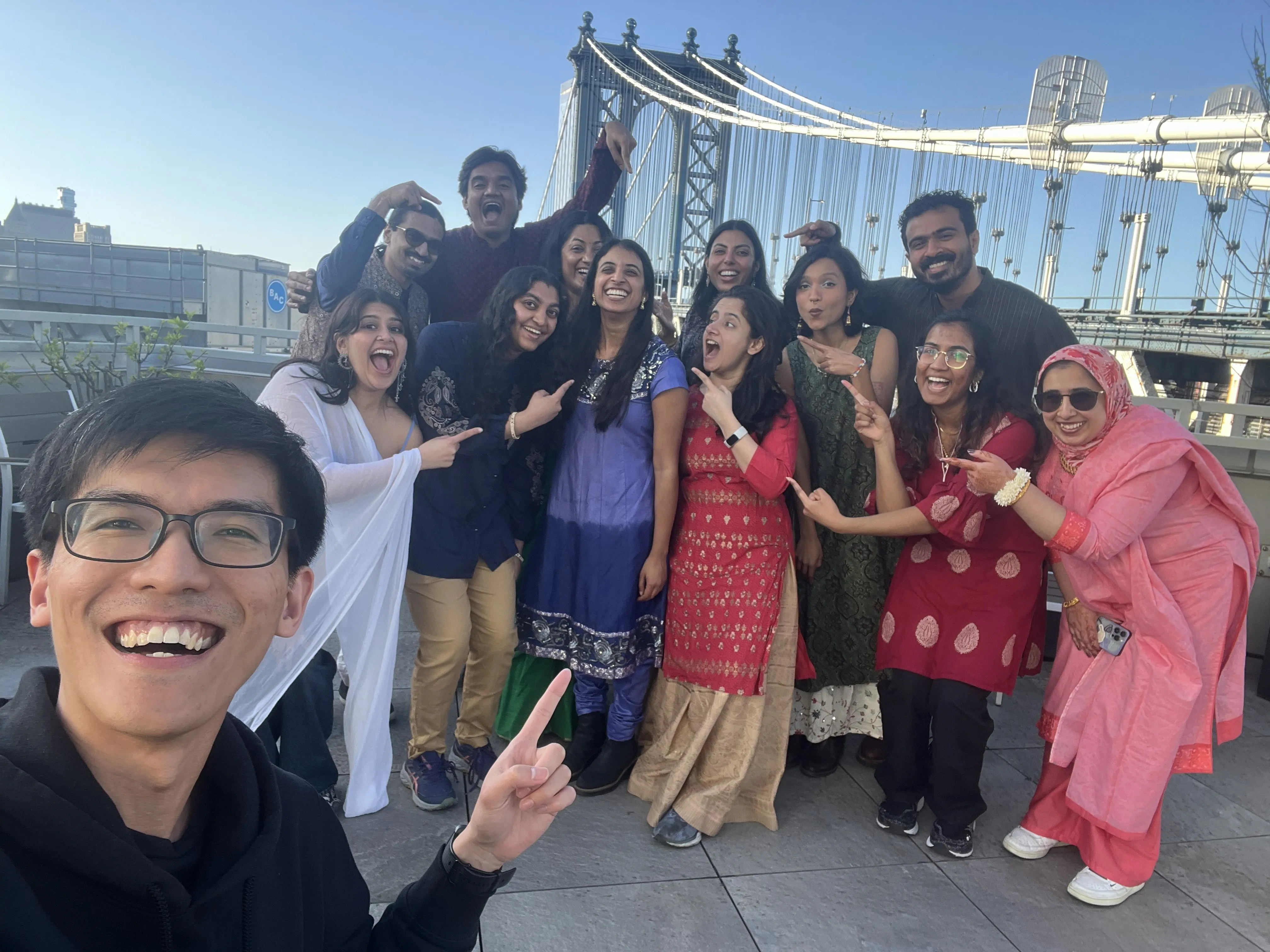
The photoshoot crew on a rooftop in front of the Manhattan Bridge, everyone pointing at the game designer
The photoshoot people

Credits

Game Designer
Sana Ali

Art Direction and Graphic Design
Divya Tak

Playtesters
Devan, Ashish, Maitreyi, Alissa, Fatma, Prisha, Beca, B, Nujum, Janae, Audrey, Chris, Eshaan, Astro, Liyan, Caroline, Sahal, Ashna, Ray, Yafira, Alanna, Silvia, Shloka, Ian, Ryan, Olivia, Cathy, Ranjani, Helen, Siddhi, Sofia, Phil, Alan, Patrick, Noah P, Nikolai, Jasmine, Anika, Justin, Ryan, Akhil, Vaishnavi, Sanjana, Sakina, Anjum, Zoeb, Sakib, Ibrahim, David Rios, Ali Santana, Sharon de la Cruz, Christina, Sharleen Smith, Ellen Nickels, Nasif, Noah D, Callie, Dean, Tanika Williams, Adrian Mandeville, Mashaal, Ridha, Malika, Fozia, Monazza, Javeria, Mari, Correne, Saleha, Ambreen, Sobia

Special thanks
Chris Toh, Marlon Evans, Omi Bahuguna, Risa Puno, Rita Orlov, Peter Droste, Erika Svanoe, Shing Yin Kor, Neeti Sivakumar, Christina Kaputsos, Arooba, Nureen, Maitreyi, Diandra, Charu, Mariyah, Divya, Zinobia, Shammi, Naqia, Ruqaiya, Ikra, Vreeti, Alishah, Naaziah, Sai, Mansi, Smruti, Sidikha, Sanjana, Vaish, Ashna, Prachi, John, Prisha, Ashish, Sanat

AI assisted — face cards and website design.